
Building Beyond Bricks: Good Construction Practices for Lasting Quality
In the world of construction, success isn’t just measured by how quickly a building rises or how much it costs—it’s measured by its durability, functionality, and the satisfaction it brings to its occupants. Good construction practices lay the foundation for projects that stand the test of time, both structurally and aesthetically.
Let’s explore the principles and strategies that define excellent construction practices and how they benefit every stakeholder, from builders to end-users.
1. Planning is Everything
Before the first brick is laid, thorough planning sets the stage for a successful project. This includes:
- Accurate Budgeting: Estimating costs for materials, labor, and contingencies ensures financial stability throughout the project.
- Clear Timelines: A detailed schedule keeps the project on track and prevents delays.
- Regulatory Compliance: Ensuring all permits and approvals are in place avoids legal and financial setbacks.
Tip: Engage experienced architects and engineers early to create designs that are both practical and innovative.
2. Focus on Quality Materials
The strength of a structure is only as good as the materials used. Choose materials that are:
- Durable: Ensure they meet industry standards and are suited for the local climate.
- Sustainable: Opt for eco-friendly materials to reduce environmental impact and enhance energy efficiency.
- Verified: Source from trusted suppliers to avoid counterfeit or substandard products.
3. Prioritize Safety at Every Step
Safety isn’t optional—it’s essential.
- On-Site Protocols: Provide workers with proper training, safety gear, and clear guidelines to prevent accidents.
- Structural Safety: Regular inspections during construction help identify and fix vulnerabilities before they become major issues.
- Fire and Disaster Preparedness: Incorporate safety measures like fire-resistant materials and proper drainage systems to mitigate risks.
4. Adopt Modern Techniques and Technology
Incorporating the latest advancements in construction can streamline processes and improve outcomes.
- Building Information Modeling (BIM): Offers a 3D view of the project, allowing for better visualization and coordination.
- Prefabrication: Speeds up construction and reduces waste.
- Smart Technologies: From energy-efficient systems to IoT devices, technology enhances functionality and sustainability.
5. Water and Waste Management
Sustainable construction prioritizes efficient use of resources.
- Water Conservation: Install rainwater harvesting systems and low-flow fixtures.
- Waste Reduction: Implement recycling and reuse practices to minimize landfill contributions.
- Eco-Friendly Designs: Use green roofs, solar panels, and natural ventilation to enhance sustainability.
6. Strong Foundations for Structural Integrity
Every great building begins with a solid foundation.
- Soil Testing: Conduct soil assessments to determine the right foundation type.
- Reinforcement: Use high-quality steel and concrete to ensure structural strength.
- Regular Monitoring: Track construction progress to detect and rectify potential foundation issues early.
7. Communication and Collaboration
The success of a project relies on seamless teamwork.
- Transparent Communication: Keep clients, contractors, and designers informed at every stage.
- Conflict Resolution: Address challenges promptly to maintain project momentum.
- Stakeholder Engagement: Involve end-users in the design process for better functionality and satisfaction.
8. Continuous Learning and Adaptation
Construction is an ever-evolving field. Staying updated ensures you’re always ahead.
- Training Programs: Regularly upskill workers to improve efficiency and safety.
- Industry Trends: Keep an eye on innovations like sustainable materials and smart building systems.
- Feedback Loops: Learn from past projects to refine practices and deliver better results.
The Benefits of Good Construction Practices
Adopting these best practices leads to:
- Increased Longevity: Structures built with care last longer and require fewer repairs.
- Enhanced Safety: Protecting workers and occupants builds trust and credibility.
- Eco-Friendly Outcomes: Sustainable designs reduce environmental impact.
- Higher Client Satisfaction: Quality construction leads to happy clients and repeat business.
Conclusion
Good construction practices are more than a checklist—they’re a mindset. By focusing on quality, safety, sustainability, and collaboration, builders can create structures that aren’t just functional, but iconic.
Remember, when you build beyond bricks, you’re crafting legacies.
Recent Post
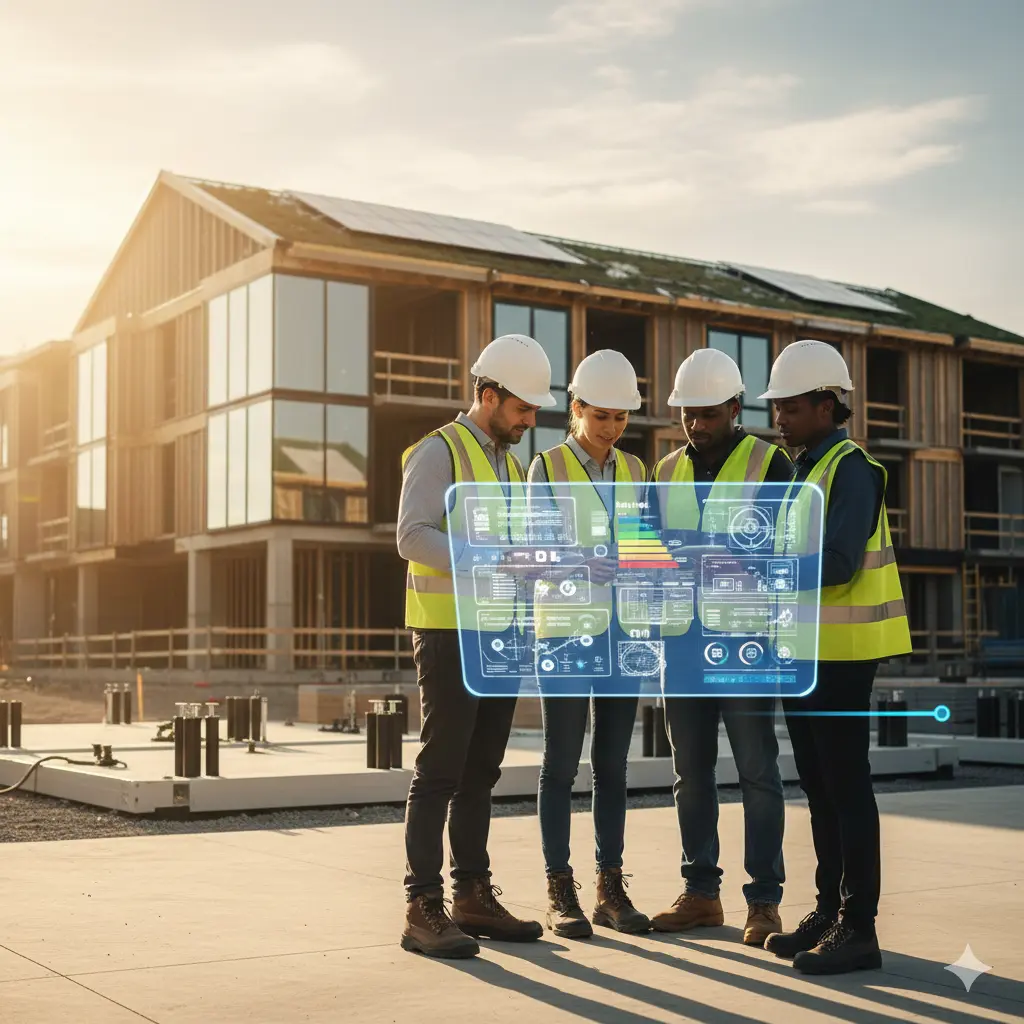
Understanding the NCC 2022 Changes: Transforming Construction Practices for a Sustainable Future
Related Posts:
Understanding the NCC 2022 Changes: Transforming Construction Practices for a Sustainable Future
The National Construction Code (NCC) 2022 represents a significant step forward in Australia's efforts to promote sustainability, enhance energy efficiency,...
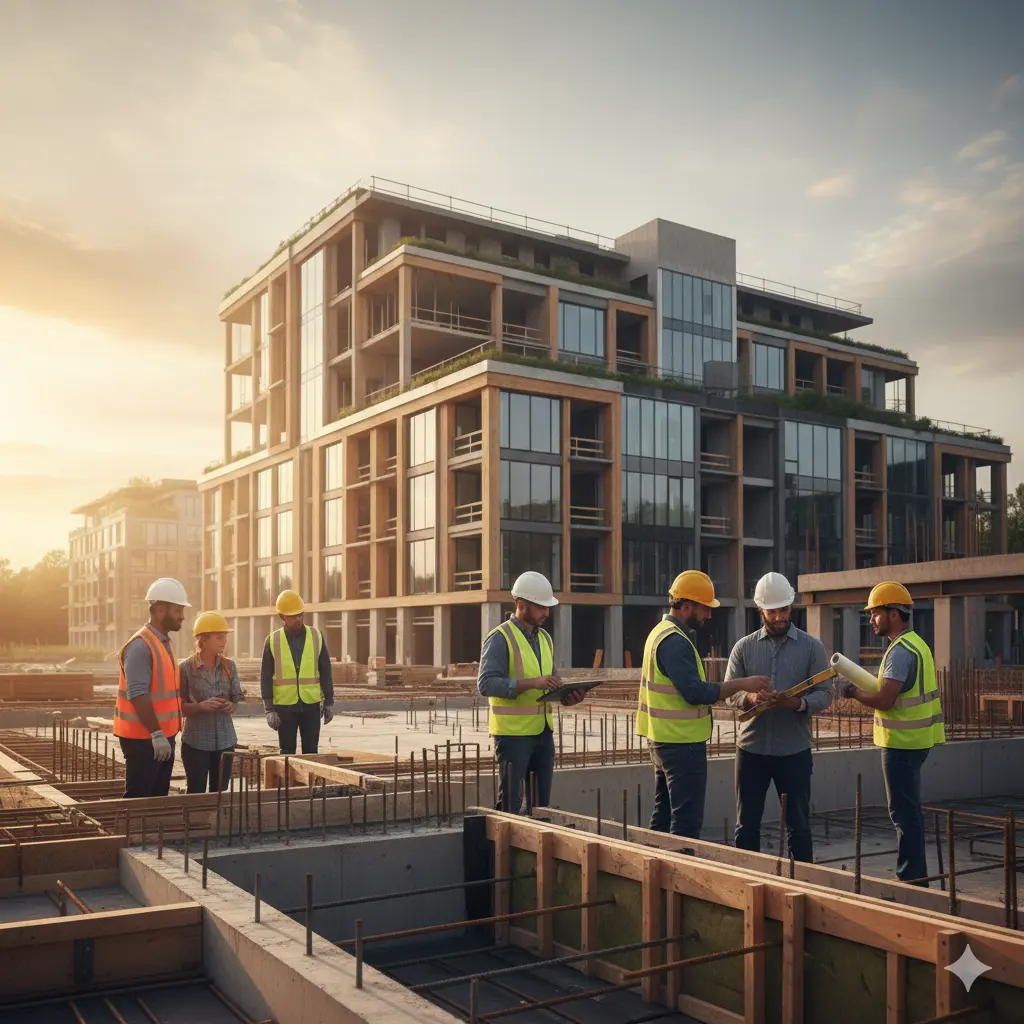
Building Beyond Bricks: Good Construction Practices for Lasting Quality
In the world of construction, success isn't just measured by how quickly a building rises or how much it costs—it's...