
Understanding the NCC 2022 Changes: Transforming Construction Practices for a Sustainable Future
The National Construction Code (NCC) 2022 represents a significant step forward in Australia’s efforts to promote sustainability, enhance energy efficiency, and improve building standards. Released in stages, the NCC 2022 includes several updates designed to address modern challenges in the construction industry, with a focus on long-term environmental impact, occupant health, and building resilience.
But what do these changes mean for construction practices and sustainability? Let’s explore the key updates and their implications.
Key Changes in NCC 2022
1. Stringent Energy Efficiency Standards
New energy efficiency provisions aim to reduce operational energy consumption. Key updates include:
- Minimum 7-star energy ratings for residential buildings (up from 6 stars).
- Mandatory whole-of-home energy efficiency requirements, covering fixed appliances like heating, cooling, and hot water systems.
- Encouragement of renewable energy integration, such as solar panels and battery storage.
2. Condensation Management
Enhanced provisions address moisture and condensation issues, particularly in colder climates. Builders must now include measures such as:
- Improved ventilation systems.
- Appropriate vapour barriers and water-resistant materials to reduce risks of mould and structural damage.
3. Accessible Housing Requirements
The inclusion of Livable Housing Design Guidelines as minimum standards in new residential builds improves accessibility for people with disabilities or mobility challenges. This update promotes universal design principles.
4. Sustainability and Material Standards
Emphasis on sustainable and durable materials, including stricter compliance checks for environmental performance and safety.
5. Fire Safety Enhancements
Updates to fire safety regulations ensure greater resilience in bushfire-prone areas, including enhanced fire-resistance testing for materials and designs.
Impact on Construction Practices
1. Design Innovation
Builders and designers will need to integrate energy-efficient solutions, such as passive solar designs, advanced insulation, and high-performance windows. This fosters innovation and encourages the adoption of smart building technologies.
2. Higher Initial Costs, Long-Term Savings
While meeting these new standards may increase upfront construction costs, homeowners and occupants can benefit from reduced energy bills, lower maintenance costs, and healthier living environments in the long run.
3. Increased Collaboration
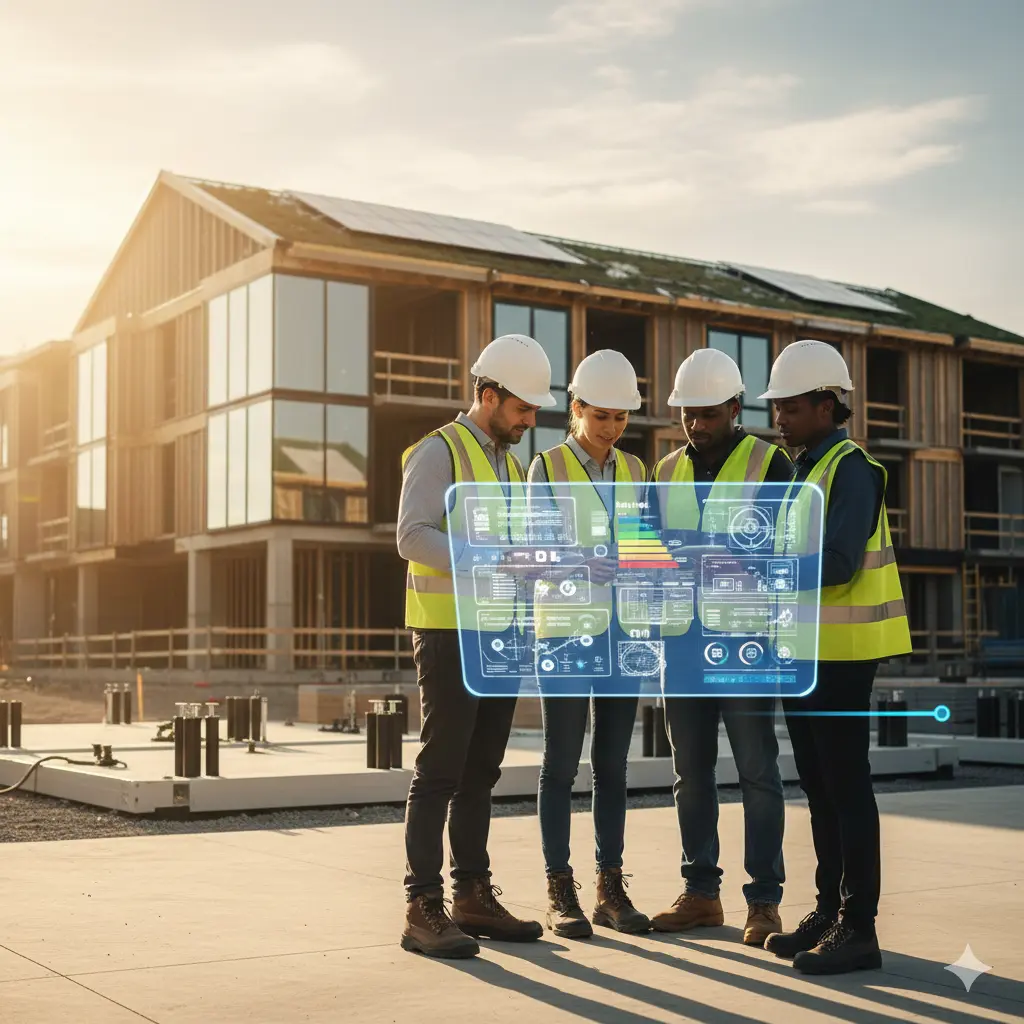
Architects, engineers, and builders must work more closely to align designs with the stricter NCC requirements, particularly around energy ratings and condensation management.
4. Focus on Sustainability
The push for renewable energy and sustainable materials will likely increase demand for eco-friendly products, reshaping supply chains and material sourcing.
Sustainability Gains
The changes introduced in NCC 2022 are a major stride towards creating environmentally sustainable communities. Key benefits include:
- Reduced Carbon Footprint: Energy-efficient homes and appliances directly contribute to lower greenhouse gas emissions.
- Resource Conservation: Stricter material standards encourage responsible sourcing and reduced waste.
- Healthier Living Spaces: Improved condensation management minimizes health risks like respiratory issues caused by mould.
Challenges Ahead
While the updates bring many benefits, they also present challenges for the industry:
- Training and Education: Builders and contractors need training to understand and implement the new requirements.
- Cost Implications: Higher costs for materials and compliance may impact affordability, particularly in housing markets.
- Adaptation Timeframes: The gradual implementation may lead to uneven adoption, creating disparities in compliance.
Conclusion
The NCC 2022 changes mark a pivotal shift in Australia’s construction landscape, setting a high standard for energy efficiency, sustainability, and accessibility. While they present challenges, they also open up opportunities for innovation and growth, fostering a more sustainable and resilient future for the industry and the communities it serves.
By embracing these changes, builders, designers, and policymakers can work together to ensure that the homes and buildings of tomorrow meet the needs of both people and the planet.
Recent Post
Understanding the NCC 2022 Changes: Transforming Construction Practices for a Sustainable Future
Related Posts:
Understanding the NCC 2022 Changes: Transforming Construction Practices for a Sustainable Future
The National Construction Code (NCC) 2022 represents a significant step forward in Australia's efforts to promote sustainability, enhance energy efficiency,...
Building Beyond Bricks: Good Construction Practices for Lasting Quality
In the world of construction, success isn't just measured by how quickly a building rises or how much it costs—it's...